Garden maintenance Bromley town centre expert services
Posted on 20/11/2026
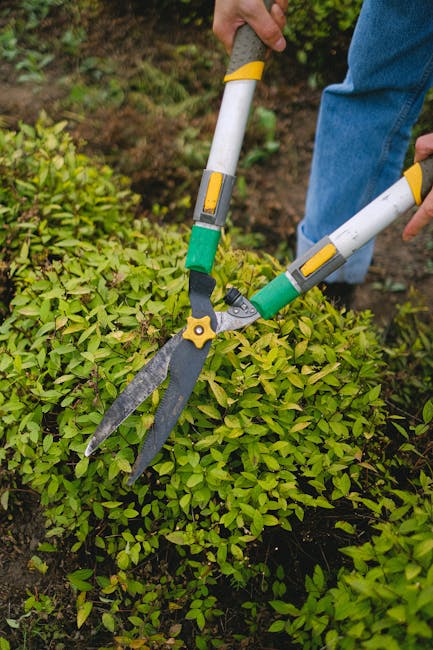
If your outdoor space in Bromley town centre has started to feel a bit unruly, you are not alone. Busy streets, compact plots, shaded corners, wind tunnels between buildings, and a hundred small jobs that never quite get done can all chip away at a garden's good looks. That is where Garden maintenance Bromley town centre expert services make a real difference: not just a quick tidy-up, but a thoughtful, ongoing approach that keeps planting healthy, paths safe, and the whole space looking cared for.
In this guide, we will look at what expert garden maintenance actually includes, how it works in a town-centre setting, what to expect from a good service, and the practical steps that help you get better results. We will also cover common mistakes, useful tools, a simple comparison of maintenance options, and a realistic checklist you can use before booking a visit. Straightforward, local, and no fluff.
Why Garden maintenance Bromley town centre expert services Matters
Town-centre gardens deal with a very different set of pressures compared with quieter suburban plots. Foot traffic is heavier, privacy is often limited, and the space itself is usually more visible from windows, nearby properties, or passing pedestrians. A small patch of weeds can look larger than it really is. One overgrown hedge can suddenly make a front garden feel closed in. And if you are near paving, fences, or shared access routes, small maintenance issues become practical issues fast.
Expert maintenance matters because it keeps the garden functioning, not just looking "nice." That distinction is easy to miss. A neat lawn is one thing, but so is ensuring it drains well after rain, that plants are not competing too aggressively, and that paths remain free from slippery algae or debris. In a busy part of Bromley, a garden also needs to cope with regular disturbance, changing light, and occasional neglect when life gets hectic. Truth be told, that happens to most people.
There is also a visual side to it. A maintained garden signals care. For homeowners, landlords, tenants, and small businesses with outdoor frontage, that presentation can shape first impressions before anyone even gets through the door. If the space includes hedging, seasonal beds, or a lawn, the difference between routine attention and reactive repairs becomes obvious very quickly.
If you are already thinking about longer-term improvements, it can help to read around the wider service picture too. Many garden projects are easier to manage when maintenance is paired with broader gardening support in Bromley, especially where planting or layout changes are needed. And if your garden has a tired lawn at the centre of the problem, a dedicated approach to lawn care often gives the quickest visual lift.
How Garden maintenance Bromley town centre expert services Works
A good maintenance service starts with observation. Not glamorous, maybe, but essential. A gardener will usually assess the current state of the plot, the season, the condition of soil and plant health, and the practical limitations of the property. In a town-centre setting, that may include access restrictions, limited storage, rubbish removal needs, and how much noise or disruption should be kept to a minimum.
From there, the work is normally built into a maintenance plan. That could be weekly, fortnightly, monthly, or seasonal, depending on growth rate and the level of tidiness required. A tidy cottage garden with mixed planting may need different attention from a compact courtyard, a front-facing rental property, or a larger domestic space with established shrubs and trees.
In our experience, the most effective maintenance visits combine the obvious jobs with the smaller ones people often overlook. Yes, the lawn gets edged and the hedge gets trimmed. But there may also be deadheading, border weeding, pruning of soft growth, clearing of leaves, checking plant supports, and sweeping hard surfaces so the space does not quietly drift into disrepair. A little bit here, a little bit there. That is often what keeps a garden genuinely healthy.
For gardens with structural features, maintenance may also involve coordinated care around patios, fences, decking, or trees. If a space includes timber surfaces, for instance, it is worth factoring in whether those areas need separate attention through decking services or patio cleaning. Little details, but they matter when the overall finish counts.
Key Benefits and Practical Advantages
The first benefit is simple: your garden looks better for longer. But that is only the start. Expert maintenance reduces plant stress, which means healthier growth and fewer surprises. A hedge trimmed at the right time keeps its shape. Weeds removed early do not set seed and spread. Borders kept clear of debris are less likely to become disease hotspots. Small, sensible habits add up.
There is also a time-saving benefit that people often underestimate. Once a garden falls behind, restoration takes far more effort than routine upkeep. A couple of monthly visits are usually easier to manage than a dramatic spring rescue after six months of ignoring the back corner. Most people know this in theory; it is just life getting in the way.
Other practical advantages include:
- better seasonal planning for pruning, feeding, and planting
- less weed pressure around paving, beds, and edges
- safer walkways and clearer access
- more usable outdoor space for relaxing or entertaining
- improved privacy where hedges or screening plants are involved
- less wear and tear on surfaces caused by moss, leaf build-up, or overgrowth
If you want a garden that feels calm rather than chaotic, it helps to think of maintenance as a steady rhythm rather than a one-off event. A tidy garden is nice. A garden that stays tidy is better.
For homes where privacy is part of the brief, plant structure matters too. Many people choose to pair maintenance with denser boundary planting after reading about fast-growing hedge ideas for privacy. That sort of planning can turn a visible town-centre plot into something far more comfortable.
Who This Is For and When It Makes Sense
This service suits a wide mix of people. Homeowners with busy schedules. Landlords who need a property to present well between lets. Older residents who can manage light gardening but not heavier tasks. Small commercial premises with planting at the frontage. Even households that enjoy gardening but simply cannot keep up during the growing season.
It also makes sense in specific situations. If your garden has become overrun after winter, if hedges are starting to dominate the space, if weeds keep returning through gravel or paving, or if the lawn has become patchy and thin, expert maintenance can stop the decline before it becomes a bigger project. A lot of people wait until the garden feels embarrassing. Honestly, you do not need to get that far.
Town-centre properties often have a few recurring characteristics:
- smaller gardens that need precise, tidy work rather than rough clearance
- limited access for tools, green waste, or larger machinery
- more exposed frontages that need regular visual upkeep
- shadier areas between buildings where moss and sparse growth are common
- surfaces that collect litter, leaves, and dust faster than expected
If your space includes children's play features, pet access, seating, or careful planting design, it is worth choosing a service that understands those needs. A garden can be practical and attractive at the same time, though it rarely happens by accident. For inspiration on more family-friendly layouts, you might also find useful ideas in safe backyard design for children and pet-friendly garden planning.
Step-by-Step Guidance
If you are wondering what a sensible maintenance routine actually looks like, here is a practical version. Not fancy. Just the sort of process that works.
- Start with a full garden check. Look at the lawn, borders, hedge lines, hard surfaces, drainage spots, and any plants that seem tired or overgrown.
- Prioritise safety and access. Clear paths, remove trip hazards, and check whether branches, weeds, or pots are blocking walkways.
- Deal with the fast-growing jobs first. Hedge growth, lawn edges, and weeds usually create the biggest sense of disorder.
- Prune and shape carefully. A neat shape is not just visual. It supports plant health and stops growth from becoming too heavy.
- Feed, mulch, or improve the soil where needed. Healthy soil makes almost everything easier. If you want a greener, more sustainable approach, composting and soil boosting can help a great deal; see ways to turn garden waste into soil boosters.
- Finish with a clean-down. Sweep, collect clippings, and remove debris so the space looks properly finished, not just cut back.
- Plan the next visit before you leave. That is the bit people skip. It is also the bit that keeps the garden under control.
A sensible maintenance schedule might also change with the seasons. Spring often needs more growth management. Summer is usually about keeping things tidy, watered, and trimmed. Autumn is for clearing leaves and preparing for colder weather. Winter, depending on the garden, can be quieter but still important for protection and structure.
Some gardens need a gentler hand than others. A compact herb bed, for example, is best maintained with light, regular attention rather than heavy intervention. If that is your kind of space, there is plenty of value in reading about herb garden care and planning maintenance around what you actually want to harvest, smell, and use.
Expert Tips for Better Results
Here are the details that often separate an average result from a really good one.
- Trim little and often. Waiting too long forces harder cuts, and plants usually respond better to light, regular shaping.
- Watch the edges. Borders, paving joints, fence lines, and the edge of a lawn are where neglect tends to show first.
- Keep an eye on shade. Town-centre gardens often have pockets of reduced light. Shade-tolerant planting or evergreen structure can keep them lively.
- Do not ignore the soil. If plants look poor year after year, the issue may not be the plant at all.
- Use seasonal thinking. A maintenance plan that ignores the time of year tends to fight nature instead of working with it. That rarely ends well.
- Protect vulnerable plants before bad weather. Wind, frost, and driving rain can undo weeks of progress overnight. A little preparation goes a long way, especially in exposed spots.
If you have a problem garden rather than a simply busy one, start with the worst areas first. A neglected patch can feel overwhelming when you look at the whole thing. Break it down. One corner at a time. One border at a time. It sounds basic because it is basic, but basic is often what works.
For gardens that struggle in shade, it helps to choose plants that can actually cope there. Evergreen structure can be particularly useful, and the ideas in this shade-garden guide are a helpful starting point. A healthy garden is usually the result of matching the right plant to the right place, not forcing a plant to behave.
Common Mistakes to Avoid
The biggest mistake is treating maintenance as emergency work. Once the garden becomes a rescue job, you spend more time catching up than improving. Another common issue is overcutting. People sometimes think hard pruning will "sort it out," but heavy-handed trimming can weaken shrubs, spoil shape, or leave hedges looking thin.
Other mistakes include:
- leaving weeds until they have set seed
- cutting lawns too short in warm weather
- ignoring drainage problems around paving or borders
- using the same approach for every plant, every season
- forgetting to clear debris from corners, behind bins, or under benches
- assuming a garden only needs attention when it looks "bad"
There is also the issue of doing too many changes at once. A garden can be improved steadily without being stripped back and rebuilt in one weekend. Sometimes the patient route wins. Not very dramatic, I know, but it saves money and stress.
If you are not sure where the trouble begins, look for the first signs: small weeds around paving, pale or scalped lawn patches, soft growth leaning outward, moss on paths, and plants shading each other out. Those are the little warnings.
Tools, Resources and Recommendations
A professional service should arrive with the right tools for the job, but it helps to understand what those tools actually do. That way you can judge whether the work is properly planned or just rushed.
| Tool or Resource | What it helps with | Why it matters in town-centre gardens |
|---|---|---|
| Hand tools and pruners | Trimming, deadheading, light shaping | Better control in compact plots and around delicate plants |
| Hedge cutters | Shaping hedges and larger shrubs | Keeps boundaries neat without leaving uneven lines |
| Lawn care equipment | Mowing, edging, scarifying in some cases | Helps manage stressed lawns and keeps hard edges clean |
| Leaf clearance tools | Autumn clean-up and routine tidying | Prevents slip risk and keeps paths looking cared for |
| Compost and mulch | Soil improvement and moisture retention | Useful where planting beds dry out quickly or soil is tired |
For people who like to keep a hand in, a few basic resources are genuinely useful: a notepad for seasonal tasks, a simple photo record of problem areas, and a rough schedule for hedge cutting, lawn care, and border weed control. Nothing fancy. Just enough structure to stop the garden slipping away from you.
There are also broader service pages that help you decide how to combine jobs. If hedges are the main issue, look into hedge trimming in Bromley. If the garden feels beyond routine care and needs a reset, landscaping support may be more appropriate. And if trees are crowding the light or dropping too much debris, tree surgery services can help restore balance safely.
Law, Compliance, Standards, or Best Practice
Garden maintenance is not usually about red tape, but good practice still matters. A reputable service should work safely, communicate clearly, and handle waste responsibly. In the UK, that generally means taking reasonable care with tools, working methods, and site conditions, especially where members of the public, children, or pets may be nearby.
For town-centre settings, there are a few practical points worth noting:
- Safety first. Paths should be left clear, tools stored safely during visits, and cutting work managed with awareness of nearby people and property.
- Waste handling. Green waste, branches, and clippings should be collected and disposed of properly unless you have agreed otherwise.
- Public-facing areas. If work affects access or visibility from the street, it should be planned to avoid unnecessary obstruction.
- Insurance and accountability. It is sensible to choose services that are insured and that explain their process clearly.
It is also good practice to ask about service terms, payment security, and what happens if weather changes the plan. Garden work is weather-dependent, and sometimes a visit that looked straightforward in the morning turns into a rain-soaked compromise by lunchtime. That is just the nature of outdoor work. If you are comparing providers, checking insurance and safety, payment and security, and terms and conditions can save misunderstandings later.
For readers who value trust signals, it is also worth reviewing a company's privacy policy, cookie policy, and accessibility statement. These do not make a garden neat, of course, but they do tell you something about how carefully the business is run.
Options, Methods, or Comparison Table
Not every garden needs the same kind of care. The right choice depends on your time, budget, and how quickly growth gets out of hand. Here is a practical comparison.
| Approach | Best for | Pros | Limits |
|---|---|---|---|
| DIY maintenance | Small, simple gardens with light growth | Low cost, flexible timing, hands-on control | Easy to fall behind, more demanding in peak season |
| Occasional tidy-up | Gardens that only need periodic refreshes | Good for seasonal resets and visible improvement | Problems can return between visits if growth is fast |
| Regular expert maintenance | Busy households, rental properties, visible town-centre fronts | Consistent standard, less stress, better long-term control | Requires ongoing budget and scheduling |
| Maintenance plus landscaping | Gardens that need structural change, not just tidying | Can solve root problems and improve layout | More involved planning and investment |
If your garden has a structural issue rather than a maintenance issue, do not keep throwing tidy-up visits at it and hope for the best. A space that needs better shape, privacy, or usable zones may benefit more from a redesign or from adding features such as screening, fencing, or seating. For that kind of thinking, it can help to look at fencing options or even a more complete garden maintenance service to keep everything aligned over time.
Case Study or Real-World Example
Here is a typical town-centre scenario. A small front and rear garden looked fine in early spring, then drifted into a jumble by midsummer: weeds at the path edges, a lawn that had gone patchy in places, shrubs beginning to lean into the walkway, and a few hard surfaces collecting grime and algae. Nothing dramatic on its own. Together, it felt messy and a bit forgotten.
The first visit focused on clearing, reducing the visual clutter, and restoring structure. Overgrown growth was cut back carefully, the lawn was edged and lifted, beds were weeded and mulched, and the patio area was cleaned up so it no longer felt sticky underfoot. The next visit was lighter: a quick sweep, border check, small trims, and a little seasonal adjustment. That was the turning point. The garden stopped feeling like a chore and started feeling like part of the home again.
What made the difference was not one heroic day of work. It was follow-through. The garden did not need perfection. It needed rhythm. That is usually the hidden truth with maintenance: consistency beats drama every time.
If your own garden is at that awkward midpoint between manageable and overwhelming, do not worry. Most are. A careful reset and a realistic schedule can bring things back into shape faster than people expect.
Practical Checklist
Use this quick checklist before you book or brief a garden maintenance visit:
- Identify the main problem: weeds, lawn condition, hedges, borders, leaves, hard surfaces, or all of the above
- Decide whether you need a one-off tidy-up or regular maintenance
- Note any access issues, pets, shared paths, or parking limitations
- Mark plants you want kept, protected, or left untouched
- Take a few photos so progress can be judged later
- Ask how waste will be collected and removed
- Check whether the service covers related areas such as lawn care, hedges, or patio cleaning
- Confirm safety, insurance, payment, and scheduling details
- Think seasonally: what needs attention now, and what can wait?
- Set a realistic upkeep plan so the garden does not slide back again
Expert summary: the best garden maintenance in a town-centre setting is not just about cutting things back. It is about keeping the space tidy, safe, balanced, and easy to live with all year round. That is the real win.
Get a free quote today and see how much you can save.
Conclusion
Garden maintenance in Bromley town centre is at its best when it feels calm, consistent, and tailored to the space rather than forced into a one-size-fits-all routine. Whether you are trying to rescue an overgrown plot, keep a tidy frontage looking sharp, or simply protect the value and usability of your outdoor space, expert services can take a lot of pressure off your shoulders.
The key is to stay practical. Know what the garden needs. Choose the right level of care. Keep an eye on seasonal change. And do not wait for things to become a bigger job than they need to be. A well-kept garden is one of those quiet comforts you notice every day, especially when the morning light hits it just right and everything looks orderly for once. Lovely, really.
Take it one step at a time, and the garden will usually meet you halfway.


Boasting extensive experience in the gardening business, Kellon stands out as a proficient author capable of crafting a variety of articles on a broad range of landscaping topics. His expertise has been instrumental in helping thousands of people address their gardening needs.