Commercial gardeners for The Glades Bromley shops and offices
Posted on 04/11/2026
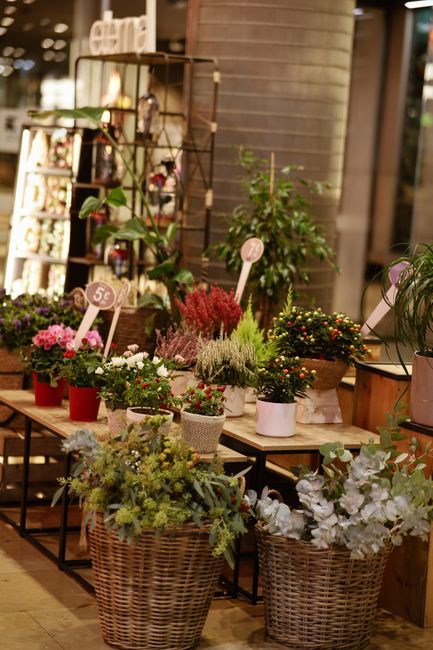
If you manage a shopfront, office entrance, shared forecourt, or tucked-away staff courtyard at The Glades in Bromley, the outside space is doing a lot more work than people realise. It shapes first impressions, affects safety, and quietly tells customers and employees whether the place feels cared for. That is exactly where commercial gardeners for The Glades Bromley shops and offices come in.
In practical terms, this is about more than mowing a bit of grass or trimming a hedge now and then. It is planned, professional upkeep for business premises: tidy planting, reliable maintenance schedules, seasonal refreshes, safer walkways, cleaner-looking hard landscaping, and plant choices that can cope with busy footfall and British weather. In our experience, the difference is obvious by about 9am on a wet weekday when the pavements are already busy and the frontage still looks crisp.
This guide explains what commercial gardening for Bromley retail and office environments involves, why it matters, how the work is usually delivered, and how to choose the right approach for a busy site. You will also find a practical checklist, a comparison table, and a grounded FAQ section for the questions people actually ask.
Why Commercial gardeners for The Glades Bromley shops and offices Matters
A well-kept outdoor area at a retail or office site is not a luxury. It is part of the business environment. For shops, the frontage often acts like a silent greeter. For offices, the external space affects how employees, visitors, and delivery teams experience the building before they even step through the door. A few untidy planters, weeds in joints, or overgrown shrubs can make a whole property feel tired. Fast.
The Glades area brings its own pressures. There is regular pedestrian movement, changing seasonal conditions, limited time windows for works, and a need to keep things presentable without disrupting customers or staff. That means commercial gardening has to be proactive, not reactive. You are not just fixing problems; you are preventing them from becoming visible in the first place.
There is also a brand element. Clean lines, healthy planting, and uncluttered access points suggest professionalism. They can help a retail unit feel inviting and an office feel calm and competent. That sounds simple, but it matters more than most people admit. A tidy exterior is one of those quiet trust signals, and people notice it before they notice the coffee machine inside.
Expert summary: For business premises, gardening is about presentation, safety, and consistency. The best results come from planned maintenance, suitable planting, and regular attention to the details that customers and staff see every day.
For sites where landscaping and maintenance need to work alongside other surface care, it can help to think of your outdoor space as a system. Planting, drainage, pathways, and hard surfaces all influence one another. That is why related services such as ongoing garden maintenance in Bromley and patio cleaning support can matter just as much as the planting itself.
How Commercial gardeners for The Glades Bromley shops and offices Works
Commercial garden maintenance usually starts with a site review. The gardener looks at the current condition of the space, how it is used, where the pressure points are, and which areas cause the most friction. A shop entrance with constant footfall needs a different approach from a quiet office courtyard. Likewise, a planter that looks lovely in April may become a nuisance by August if the wrong species were chosen. That happens more than you might think.
Once the site has been assessed, a plan is put together. This often includes routine tasks, seasonal tasks, and occasional remedial work. Routine work might mean mowing, pruning, edging, litter removal from planted areas, weed control, and checking irrigation or watering needs. Seasonal work could involve replanting containers, refreshing bark mulch, adjusting displays, or protecting plants before winter.
On a busy commercial site, timing matters. Work is often scheduled early in the morning, during quieter periods, or outside peak customer traffic so there is less disruption. Good communication is essential here. Nobody wants leaf blowers roaring right beside a cafe entrance at lunchtime. Let's be honest, that would test anyone.
Commercial gardeners also tend to work with practical constraints in mind. They may need to keep pathways clear for deliveries, avoid blocking fire exits, maintain visibility around signage, or choose plants that stay neat with modest upkeep. If the site includes broader outdoor improvements, it may be coordinated with landscaping services in Bromley or even related work like tree surgery where safety or canopy management is involved.
For office settings, the aim is often a polished, low-disruption result. For retail, it is usually about visual impact and reliability. In both cases, consistency wins. One immaculate visit is good. A tidy, dependable year-round presentation is better.
Key Benefits and Practical Advantages
There are obvious benefits, and then there are the quieter ones that show up over time. Both matter.
- Better first impressions: A clean, healthy exterior supports the image of the business before a customer even opens the door.
- Safer access: Regular pruning and clearing reduces trip hazards, obstructed sightlines, and messy overgrowth around entrances.
- Less reactive maintenance: Small issues are dealt with early, which is usually cheaper and less stressful than a full reset later on.
- More usable outdoor space: Staff seating areas, courtyards, and planter zones become more pleasant to use.
- Healthier planting: Better plant selection and care mean fewer replacements and less decline in awkward spots.
- Consistent brand presentation: The outside space starts to match the quality of the business inside.
One less obvious benefit is predictability. A commercial gardener can build a routine around the actual rhythms of the site, which helps the business avoid those awkward moments where a shop frontage suddenly looks rough because no one had time to sort it out. That sort of thing tends to happen on rainy weeks, just when you have no spare bandwidth.
For some businesses, choosing lower-maintenance planting is a smart move. If that sounds familiar, it can be worth reading up on low-maintenance garden ideas and then tailoring the thinking for commercial use. Likewise, if your site has shaded edges, evergreen planting can help keep structure through the year, which is a practical trick many sites benefit from.
Who This Is For and When It Makes Sense
This service suits a wide range of premises, but the common thread is simple: the outdoor space is visible, functional, or both.
Typical users include:
- retail shops that need a tidy entrance and seasonal presentation
- offices that want a polished environment for visitors and staff
- business parks with communal planting or shared grounds
- medical, education, or professional premises where appearance and safety matter
- managed buildings with planters, courtyards, or small landscaped pockets
It makes sense when the site is currently becoming harder to maintain in-house, or when the existing look is drifting downhill between occasional tidy-ups. Truth be told, that drift is usually gradual. One month it is a few weeds. A season later, it looks like the plants have started making their own decisions.
It also makes sense if you are planning a refresh after a tenancy change, a refit, a branding update, or simply a poor winter. In some cases, businesses only need a few targeted improvements. In others, the best outcome comes from a fuller reset. If the grounds have been neglected for a while, the ideas in turning around a neglected garden are surprisingly useful, even for commercial sites.
For office courtyards, there is often a desire to create something calmer and more usable for breaks or informal meetings. If that is the case, a mix of structure, shade, and resilient planting can work very well. For shopfronts, by contrast, the goal is usually visual clarity and low obstruction. Different jobs, same basic principle: make the outside work harder for the business.
Step-by-Step Guidance
Here is a practical way to approach commercial gardening for a site like The Glades Bromley shops and offices without overcomplicating it.
- Define what the space is supposed to do. Is it there to welcome customers, support staff wellbeing, frame the building, or all three?
- Identify problem areas. Note where weeds build up, where leaves gather, where plants fail, and where access becomes awkward.
- Decide the maintenance level you actually need. Some sites need weekly attention. Others only need regular seasonal visits and light interim care.
- Choose plants and materials that suit the site. Go for resilience, not just appearance. A beautiful but fragile planting scheme can become a headache.
- Build the schedule around business hours. Good planning keeps disruption low and makes the service feel invisible in the best possible way.
- Include hard landscaping touchpoints. Edging, paving edges, planters, and patio areas all affect the final impression.
- Review regularly. Check what is thriving, what is struggling, and what should be changed for the next season.
A simple monthly walkaround can help a lot. Not a formal ordeal, just a quick look with fresh eyes. What looks fine from the office window can look very different when you are standing at the entrance in winter light.
If you want a more structured maintenance picture, pairing garden care with lawn care or lawn mowing support can keep grassed areas and borders in sync. For sites where pathways and seating zones matter, decking services may also be relevant as part of the wider outdoor plan.
Expert Tips for Better Results
These are the habits that usually separate a merely tidy site from one that feels properly managed.
- Keep planting schemes simple. Too many species can create visual noise and extra maintenance. A clear structure almost always looks more premium.
- Use containers strategically. They are useful for entrances, corners, and places where ground planting is limited. For inspiration, see container strategies for better planting.
- Prioritise evergreen structure. In commercial settings, year-round form matters because winter can strip away a lot of colour very quickly.
- Plan for wind and exposure. Open retail forecourts and upper-level office terraces can be surprisingly harsh. Some sites need hardy shrubs, shelter planting, or smarter placement. The article on protecting gardens from wind is useful here.
- Keep soil healthy. Healthy soil gives you healthier plants, fewer failures, and less guesswork. Composting and soil improvement do not sound glamorous, but they work.
- Think in layers. Ground cover, mid-height planting, and feature shrubs can create depth without clutter.
- Make maintenance easy on purpose. If a site is hard to access, people will avoid it. That is just human nature.
There is also value in choosing plants that feel appropriate to the environment. Office courtyards might benefit from elegant, calm combinations. Shopfront beds might need brighter seasonal colour. A site used by both staff and visitors may need something in between. It sounds obvious, but it is where a lot of generic gardening fails.
And yes, sometimes the smartest answer is to remove things rather than add more. That is not defeat; that is editing.
Common Mistakes to Avoid
Commercial sites tend to fail for familiar reasons. Once you know them, you can avoid most of the mess.
- Choosing plants for looks only. If a plant cannot cope with the site conditions, it becomes a recurring cost.
- Ignoring access routes. Blocked sightlines, overhanging growth, or clutter near entrances can create safety and usability problems.
- Leaving maintenance too long between visits. Small jobs become bigger jobs. Always.
- Using too much variety. A patchwork of unrelated plants can make the space look busy rather than professional.
- Forgetting seasonal changes. What works in spring may look sparse in late winter unless the structure is planned properly.
- Assuming indoor priorities matter more than the exterior. For customer-facing businesses, the outside is part of the brand, not a separate issue.
One very common mistake is to treat commercial gardening like domestic gardening with a bigger lawn. It is not quite that. Business sites need reliability, access control, and awareness of daily operations. That difference matters a lot.
If edging, boundaries, or visibility become part of the problem, linked services such as fencing work in Bromley or hedge trimming may be worth considering. A site can look immaculate, but if the boundary planting has taken over, the whole effect goes off.
Tools, Resources and Recommendations
A professional commercial gardener will typically use a mix of hand tools, powered equipment, and site-specific products. The right toolkit depends on the layout, scale, and plant mix. For some areas, hand pruning is best. For others, mechanical cutting and mowing saves a lot of time and gives a cleaner finish.
Useful tools often include:
- precision pruners and shears for detail work
- lightweight hedge tools for tidy shaping
- grass cutting equipment for maintained turf or verge areas
- weeding tools for paved edges and borders
- litter pickers and brushes for keeping entrances clean
- mulch, compost, and soil improvers for plant health
For teams or site managers who want to stay informed, the most useful "resource" is often a simple site log. It can note when work was completed, what problems were found, and what needs attention next. Nothing fancy. Just enough to stop jobs getting forgotten.
If you are planning a broader refresh, it can help to explore related topics such as weed control ideas, improving soil with organic waste, or even shade-tolerant evergreen planting if the site has awkward light conditions.
For businesses that want a complete service picture, it is sensible to ask how maintenance, scheduling, pricing, payment handling, and safety are managed. Those operational details matter more than people expect. A neat garden is good; a neat process behind it is even better.
Law, Compliance, Standards, or Best Practice
For commercial outdoor spaces, compliance is less about one dramatic rule and more about day-to-day duty of care. Businesses should think about safe access, clear walkways, manageable trip hazards, and the general condition of the site. If visitors or staff use the area, it should be maintained with ordinary care and professional judgement.
Health and safety expectations are especially relevant where tools are used near public areas, or where works happen during trading hours. Risk assessment, sensible timing, tidy work habits, and clear communication all help. It is also wise to keep an eye on weather conditions. Wet leaves, frost, and wind can change a routine job into something that needs more caution.
When contractors are engaged, many businesses like to check how insurance and safety are handled, what the terms of service cover, and how personal data is treated during bookings or communication. That is just good practice. The same goes for clarity around complaints, payment, and service expectations. For reference, useful pages include health and safety policy, insurance and safety, terms and conditions, privacy policy, cookie policy, payment and security, and complaints procedure.
Accessibility can matter too, especially where entrances, shared paths, or public-facing routes are involved. A tidy garden should not create barriers. It should make the site feel easier to move through, not harder.
Options, Methods, or Comparison Table
Not every commercial site needs the same style of gardening. Some need frequent polishing; others need smart, low-touch resilience. Here is a practical comparison.
| Approach | Best for | Strengths | Trade-offs |
|---|---|---|---|
| High-touch maintenance | Front-facing retail, premium entrances, busy visitor areas | Very polished appearance, fast issue detection, strong visual impact | Higher ongoing attention and cost |
| Low-maintenance planting | Office courtyards, side access areas, less visible zones | Lower upkeep, more resilient, easier scheduling | Less seasonal drama, slower visual change |
| Container-led design | Limited ground space, paved entrances, branded displays | Flexible, easy to refresh, good for focal points | Needs watering and occasional replacement |
| Mixed landscaping | Sites with both customer and staff zones | Balanced appearance and practicality | Requires careful planning to avoid clutter |
If you want one rule of thumb, use higher-maintenance approaches where people gather and see the space most, and lower-maintenance approaches where the site must simply stay neat with minimal fuss. That balance usually gives the best value.
For materials and surface choices that sit alongside planting, the article on hardwood and softwood decking can help if you are weighing up seating areas or external walkways. It is a useful reminder that outdoor spaces are really a mix of living and non-living elements.
Case Study or Real-World Example
Imagine a Bromley retail unit with a narrow frontage, two planters by the entrance, and a small rear service yard. The front planters looked good in May, then became patchy by midsummer. Weeds crept into the paving joints, the shrubs blocked part of the glazing, and the rear service area started to look ignored. Nothing disastrous, just slightly off. But that "slightly off" is often enough to affect perception.
The fix was not dramatic. The plan involved a cleaner plant palette, consistent pruning, seasonal replacement in the entrance containers, and routine weeding around the paving edges. The back area was simplified and made easier to maintain. A few hardy evergreens were retained for structure, but the most demanding plants were replaced with options that suited the light levels and the actual maintenance budget.
Within a short time, the frontage looked calmer and more deliberate. Staff noticed it first, which is often what happens. Customers usually just feel it. The site looked more looked-after, which is the whole point. No magic. Just steady, practical care.
That same principle applies to offices. A small planted courtyard can become a useful break space if it is kept tidy and seasonally refreshed. It does not need to be grand. It needs to feel intentional.
Practical Checklist
Use this quick checklist when planning or reviewing commercial garden care for The Glades Bromley shops and offices.
- Is the entrance tidy and free from visual clutter?
- Are pathways, steps, and access points clear?
- Are weeds under control in borders and hard surfaces?
- Do the plants suit the light, wind, and footfall on site?
- Is there a seasonal plan for pruning, replanting, and refreshing displays?
- Are containers, planters, and edging in good condition?
- Is the maintenance schedule realistic for the business?
- Are safety and access considerations built into the work routine?
- Does the outdoor space support the brand image you want to project?
- Have you reviewed whether any areas would benefit from landscaping, lawn care, or surface cleaning support?
It is a simple list, but it catches the main issues before they become annoying. And that is usually where the money is saved, to be fair.
Conclusion
Commercial gardens are part of the customer experience, the staff experience, and the overall professionalism of a site. For The Glades Bromley shops and offices, the right maintenance approach keeps exteriors tidy, welcoming, and easier to manage through the year. It also helps protect the business from the slow slide that happens when outdoor spaces are left to cope on their own.
The best commercial gardening work is calm, consistent, and properly matched to the site. It does not shout. It simply makes the building feel better cared for every time someone arrives. That is a quiet advantage, but a real one.
If you are weighing up maintenance levels, future improvements, or a seasonal reset, start with the space as it is now and build from there. A sensible plan beats a rushed fix almost every time.
Get a free quote today and see how much you can save.

Boasting extensive experience in the gardening business, Kellon stands out as a proficient author capable of crafting a variety of articles on a broad range of landscaping topics. His expertise has been instrumental in helping thousands of people address their gardening needs.